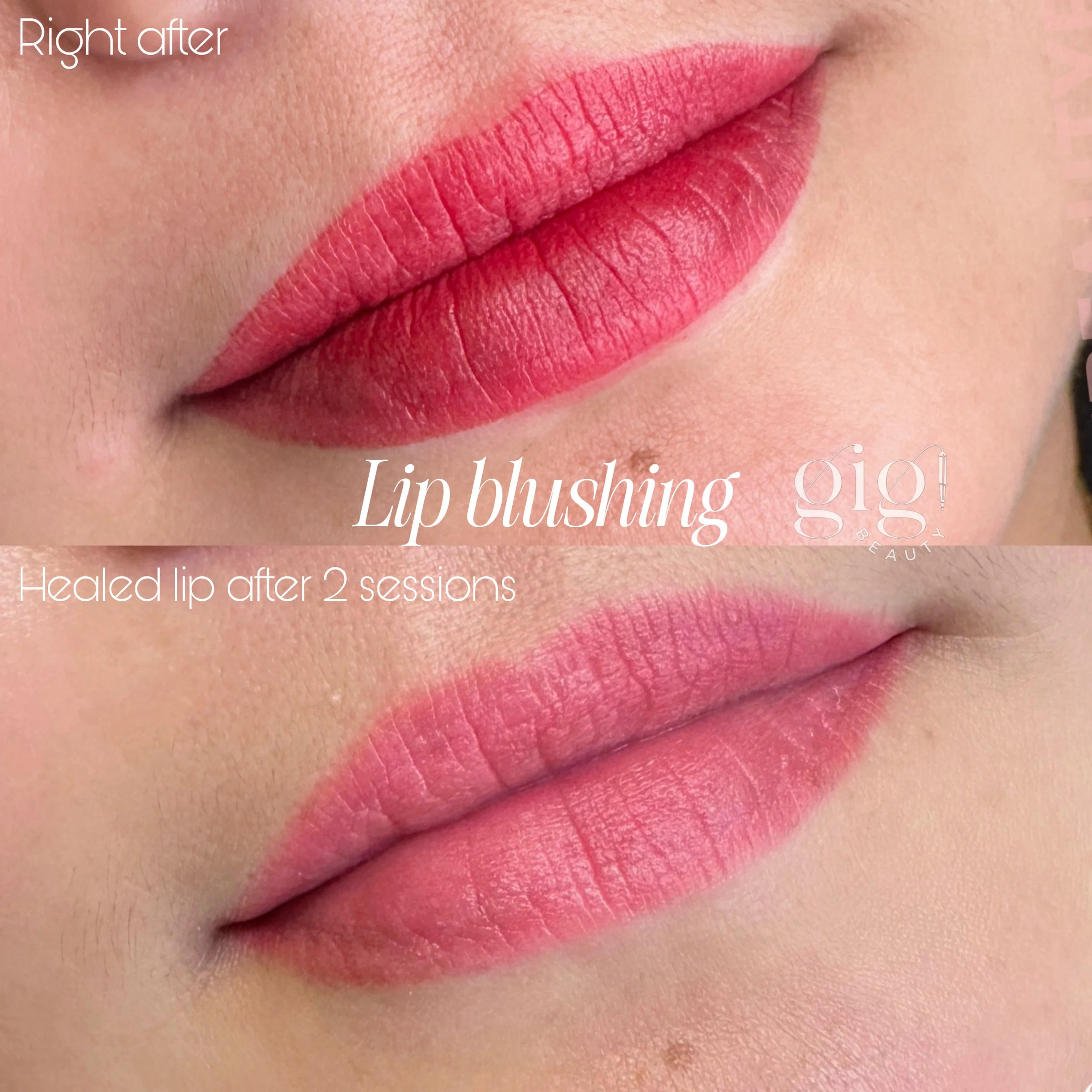
Why Your Permanent Makeup Fades Faster: 7 Skincare Mistakes (And What to Do Instead)
If your brows, lip blush, or eyeliner faded faster than you expected, don’t panic — and don’t automatically blame your skin (or your artist). In my experience, the biggest reason PMU fades early is usually daily skincare habits and beauty treatments that slowly (or quickly) lift pigment over time.
This guide breaks down the 7 most common mistakes I see, plus exactly what to do instead so your results stay crisp, even, and beautiful for as long as possible.
Quick note: This article is general education, not medical advice. If you have a skin condition or you’re using prescription skincare, check with your dermatologist and let your PMU artist know before your appointment.
First: What “normal” fading looks like
Permanent makeup is designed to soften and fade gradually. You’ll usually see the biggest changes in these phases:
Days 1–10: healing + flaking/peeling (color may look uneven temporarily)
Weeks 2–6: the color “settles” and becomes more natural
After 6–8 weeks: your touch-up (if needed) perfects shape and color retention
Months later: slow fading is normal — but skincare can speed this up
Now let’s talk about what makes fading happen faster than it should.
The “save my PMU” checklist (read this first)
If you want your PMU to last longer, focus on these 5 habits:
SPF daily (and reapply if outdoors)
Keep strong actives off the area (retinol, acids, benzoyl peroxide)
Avoid aggressive exfoliation + scrubs
Tell your facial/laser provider you have PMU
Don’t skip your touch-up (it’s part of the process)
Mistake #1: Skipping SPF (or not reapplying)
UV exposure is one of the fastest ways to fade pigment and change tone over time. Even on cloudy days, UV still reaches your skin.
Do this instead
Wear broad-spectrum SPF 30+ daily
If you’re outside, reapply every 2–3 hours
Add physical protection: hat + sunglasses (especially for brows)
Pro tip: For brows, a tinted mineral SPF often looks nicer in photos and gives extra visible protection.
Mistake #2: Using retinol/Retin-A near the PMU area
Retinoids speed up cell turnover. That’s great for smoothing skin — but it can also make your PMU fade sooner, especially on the tail of the brow and around the lip border.
Do this instead
Keep retinol/retinoids off the brow zone (a good rule: stay at least “one fingertip” away)
If you use prescription tretinoin, let your artist know before your PMU appointment
Use gentler hydration + barrier support around PMU areas (think: simple moisturizer, no actives)
Mistake #3: Exfoliating acids (AHA/BHA) or brightening serums on/near PMU
Products like glycolic acid, lactic acid, salicylic acid, strong vitamin C formulas, and some “glow” toners can gradually lighten PMU.
Do this instead
Apply acids away from the pigmented area
Choose gentle, non-exfoliating products for the PMU zone
If you’re unsure whether a product is “active,” check the ingredient list or ask your artist
If you love skincare: You don’t have to give it up — you just need to place products more carefully.
Mistake #4: Scrubs, cleansing brushes, and “extra clean” washing
Over-cleansing and friction is a common cause of patchy fading (and during healing, it can cause uneven results). This includes:
facial scrubs
spinning brushes
rough washcloth rubbing
strong foaming cleansers used aggressively
Do this instead
Cleanse gently with fingertips
Pat dry (don’t rub)
Choose a gentle cleanser and keep the PMU zone simple
Mistake #5: Facials, microdermabrasion, chemical peels, or microneedling without a PMU plan
Many professional treatments are designed to renew the skin — which can fade PMU faster if done directly over it.
Do this instead
Tell your provider: “I have permanent makeup”
Ask them to avoid treating directly over the pigmented area (especially brows)
If you’re doing stronger treatments, plan them around your PMU schedule
Important: Always follow your PMU artist’s aftercare timeline first. Healing comes before “glow.”
Mistake #6: Laser / IPL without telling your provider
Some laser/IPL treatments can affect pigment. Even if the goal is hair removal or redness, the energy can interact with pigment in the skin.
Do this instead
Always disclose PMU before any laser/IPL appointment
Ask your provider whether they can avoid the area or shield it
If you’re planning laser soon, schedule your PMU consultation first so we can plan safely
Mistake #7: Skipping the touch-up (or waiting too long)
A touch-up isn’t “extra” — for most clients, it’s when we:
perfect symmetry
build density
improve retention
adjust tone if needed
Skipping it can lead to faster-looking fading because the pigment hasn’t been fully refined and layered for your skin.
Do this instead
Plan your touch-up for the recommended time window (commonly around 6–8 weeks, depending on the service and your healing)
Treat it as part of your full result, not an add-on
Bonus: Lifestyle factors that can fade PMU faster
These aren’t “mistakes,” but they matter:
frequent sun exposure (outdoor lifestyle)
sweating often (hot yoga, workouts)
oily skin (especially for brows)
frequent swimming
smoking (can affect skin healing and color retention)
strong anti-aging routines (long-term active use)
You can still have great PMU with any of these — it just means we plan smarter and protect your results.
“What can I use safely?” Simple PMU-friendly routine
Here’s a safe, easy routine that helps preserve your PMU results:
AM
Gentle cleanser
Simple moisturizer
SPF 30+ (daily)
PM
Gentle cleanser
Simple moisturizer
Keep strong actives away from PMU zones
If you want help, I can recommend a routine based on your skin type and what you’re currently using.
FAQ
Will my PMU look patchy while healing?
Yes — during peeling/flaking it can look uneven. This is normal. The final look is assessed after the skin fully settles.
Can I ever use retinol again?
Many clients do — but it’s best to keep it off the pigmented zone and use it strategically. Ask your artist for personalized placement tips.
Does sunscreen really make a difference?
Yes. Clients who protect their brows and lips consistently tend to keep better color longer.